How Smart Hotels Turn International Visitors Into Direct Bookings
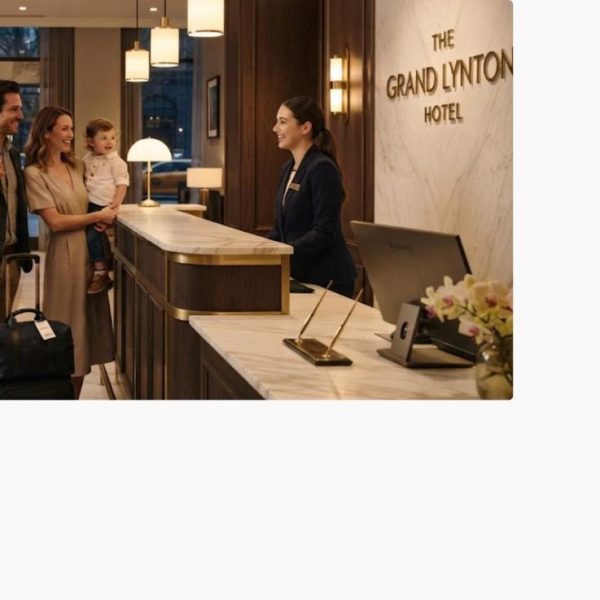
Booking platforms are excellent at bringing strangers to a hotel's door and terrible at letting that hotel keep the relationship afterward. Every reservation made through a third party comes with a commission attached and almost no direct line to the guest for next time. Hotels that want to change that balance have to make their own site the obvious, trustworthy choice for an international traveler, which is a bigger job than it sounds.
Trust Starts With Paperwork That Holds Up
International guests, corporate travel managers, and tour operators often need more than a nice website — they need documentation that will actually be accepted elsewhere, from visa support letters to partnership agreements with local tour companies. Hotels that can produce reliable certified translation services when a partner or guest needs one signal a level of professionalism that a purely English-language site can't match on its own.
Managing Content Across Every Market You Serve
A hotel that markets itself in five languages is really running five small content operations at once, and without a system, they drift out of sync fast — a promotion that ended weeks ago still showing up in translation, a new policy that only exists in the original language. A proper translation management system keeps every version of the site, every email template, and every guest-facing document aligned, which matters far more than it seems once a hotel is juggling more than two languages.
Smart hotels turn international visitors into direct bookings by owning the first and last touchpoint. That shift depends on digital marketing services that connect search, site and confirmation into one coherent journey. Ownership of the channel is what makes the margin defensible.
Being found in the first place is the other half of that equation, especially in search results shaped by location and language. A small property competing abroad benefits from the same discipline set out in a simple plan for local seo services: accurate listings, localized pages, and reviews answered in the guest's own language. Those basics make the hotel visible in the exact searches international travelers run before they ever reach a booking platform. Visibility earned there costs no commission when it converts.
Brazil and Portugal Are Bigger Than Most Hotels Assume
Portuguese-speaking travelers represent a substantial and often underserved segment for hotels outside Iberia and Latin America. A hotel that invests in genuine portuguese translation services, rather than a generic auto-translated page, tends to see it pay off with a market that competitors are still ignoring.
What This Looks Like in Practice
None of this requires a hotel to become a translation company. It requires treating the direct-booking website with the same seriousness as the property itself — accurate, current, and genuinely written for the guest reading it, not just a translated afterthought sitting behind the booking platforms that take a cut of every reservation a hotel could have kept for itself. The wider hospitality industry has spent the last decade relearning this lesson, and the hotels adapting fastest are the ones treating their own website as a real distribution channel rather than an afterthought next to the platforms they depend on.